01 Infrastructure · Solo
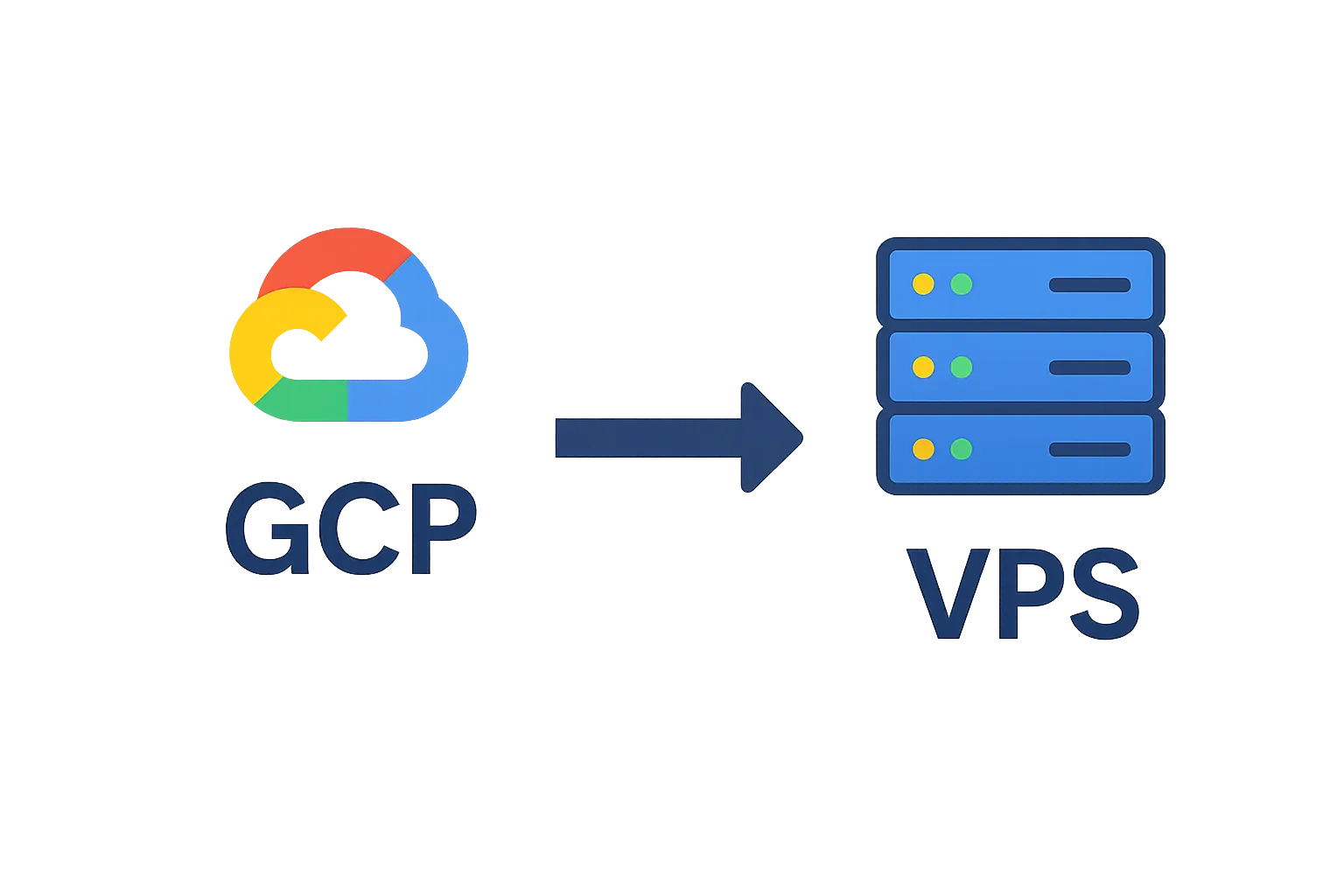
GCP to Self-Managed VPS Migration
Moved production workloads off GCP onto a redesigned, containerized VPS platform with monitoring, backups and hardened access.
Problem
Production had grown into a costly, fragmented cloud setup with inconsistent monitoring, complex deployments and services exposed more than they needed to be.
Architecture
- Assess & document
- Containerize
- Validate per app
- DNS cutover
- Monitor
What I built
- Audited every dependency (apps, databases, DNS, certificates, cron jobs, backups) before touching production.
- Redesigned the target: Linux VPS, Docker workloads behind a reverse proxy, central monitoring and automated backups.
- Validated each application individually (env vars, DB connectivity, UAT) before a controlled DNS and SSL cutover.
- Reduced public exposure with reverse-proxy-only ingress, service isolation and host hardening.
Outcome
- Lower infrastructure costs and full ownership of the stack.
- Proactive alerting instead of user-reported incidents.
- Reproducible, faster deployments with less configuration drift.
Stack
- Linux
- Docker
- Reverse Proxy
- SSL
- DNS
- Monitoring & Alerting
- Backup Automation
02 Automation · AI · Solo
AI-Powered HR & ERP Analytics
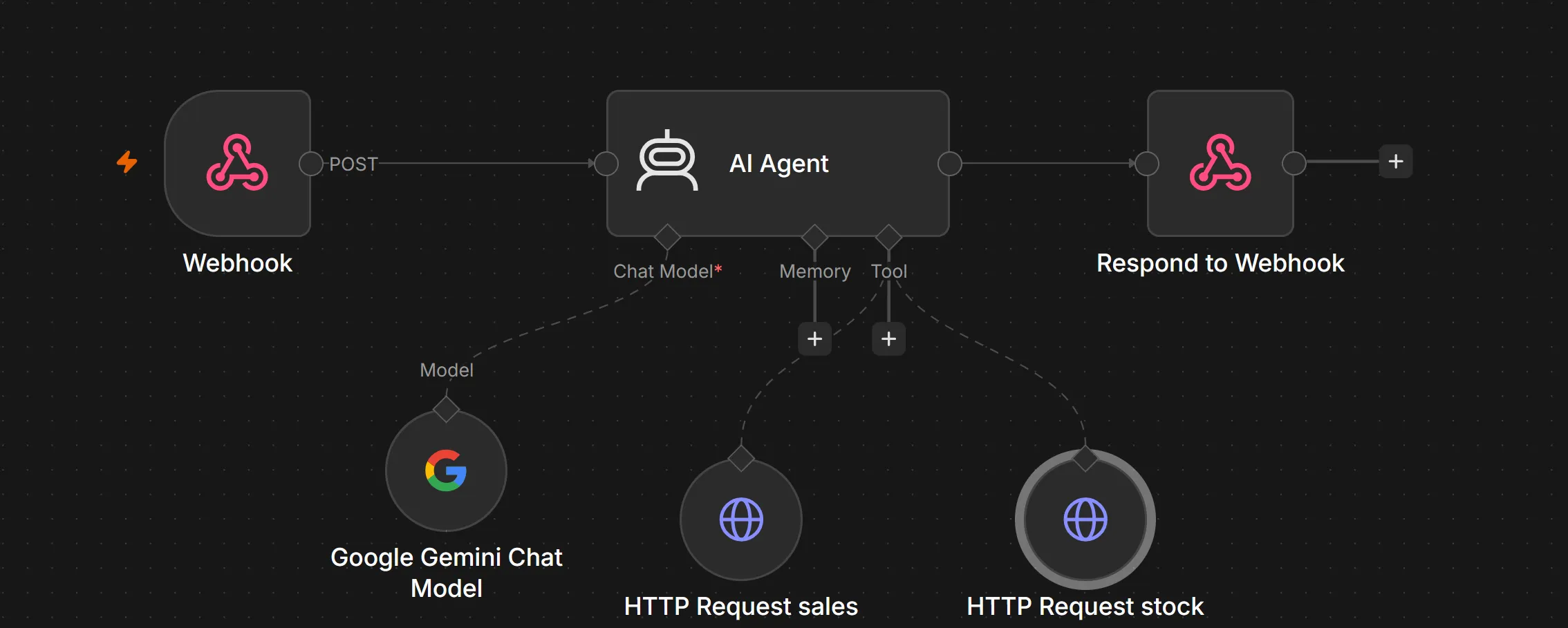
An n8n orchestration layer joining Jisr (HR) and ERPNext data, with Gemini turning raw numbers into recommendations for management.
Problem
HR data lived in Jisr and operations data in ERPNext. Every management report meant exporting to Excel, cleaning by hand and summarizing manually.
Architecture
- Jisr API + ERPNext
- n8n processing
- Gemini analysis
- Reports & alerts
What I built
- Saudization compliance monitoring per branch, flagging branches approaching risk thresholds.
- Attendance, leave-balance and retention analytics with branch-level rankings.
- Inventory workflows flagging stock-out risk, overstock and slow movers, with department-specific AI recommendations.
- A natural-language BI webhook: ask “lowest-selling products this month?” and get an answer from live ERP data.
- Scheduled ERP data-quality audits to catch incomplete or inconsistent records.
Outcome
- Manual reporting effort largely eliminated.
- Compliance and stock risks surfaced before they became problems.
- AI added on top of existing systems without replacing them.
Stack
- n8n
- ERPNext
- Jisr API
- Google Gemini
- MariaDB
- JavaScript
- Webhooks
03 Data · Security · Solo
Secure Power BI Integration for ERP
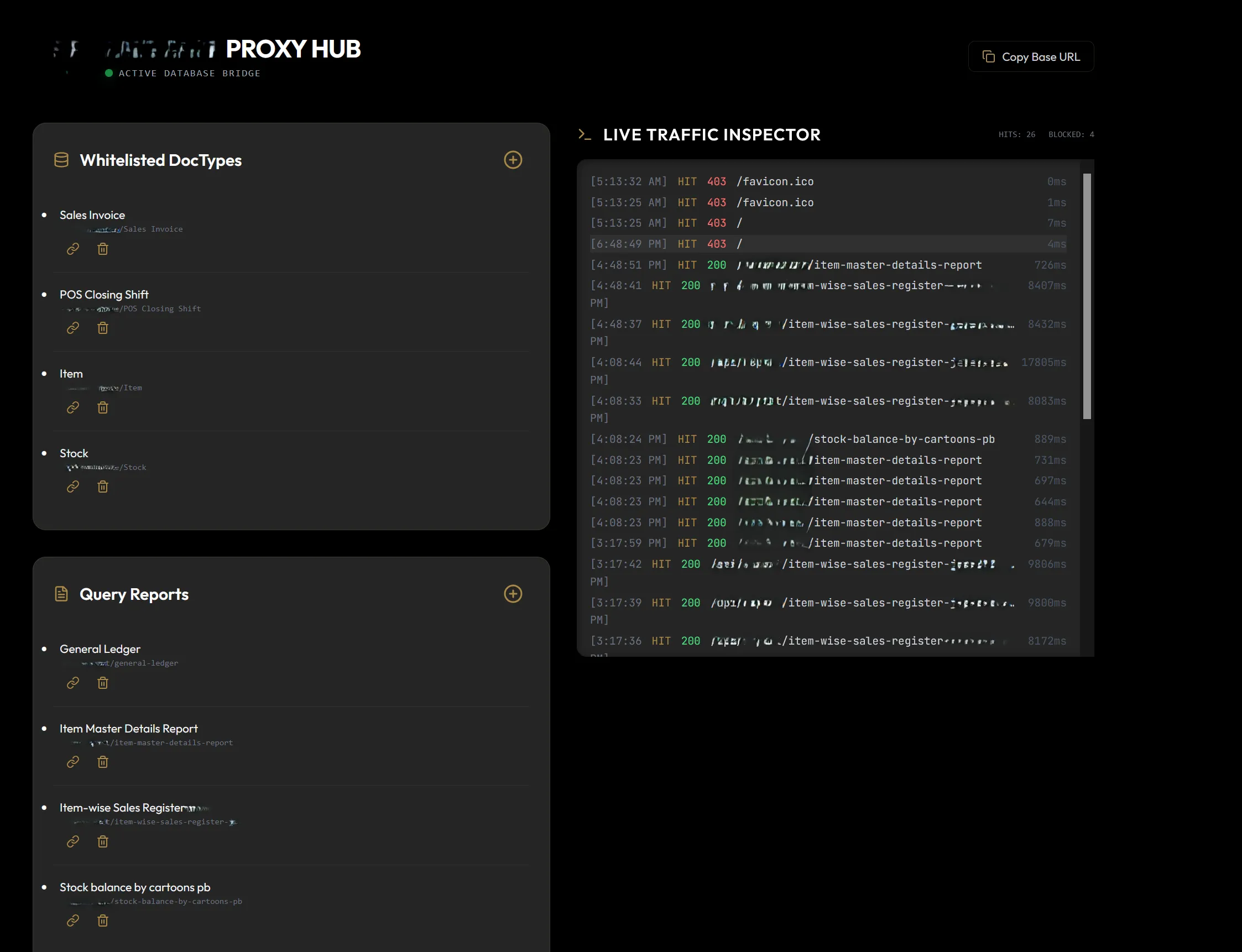
A read-only proxy API that feeds live ERP data into Power BI without exposing database credentials or the private network.
Problem
Leaders needed live dashboards, but the ERP database was sensitive and privately hosted. Direct access, shared credentials or VPNs were not acceptable.
Architecture
- ERP database
- Read-only user
- Node.js proxy API
- Power BI
- Dashboards
What I built
- A dedicated read-only database user exposing only reporting datasets.
- A Node.js middleware handling auth, queries, shaping and pagination, so no credentials live in reporting tools.
- Business-friendly field naming, filtering and aggregated views so analysts skip data prep.
- Query and pagination tuning to keep large refreshes off the production critical path.
Outcome
- Self-service, auto-refreshing dashboards for sales, inventory and finance.
- Production ERP never directly exposed to reporting consumers.
- A reusable foundation for future analytics work.
Stack
- Power BI
- Node.js
- REST APIs
- SQL
- MariaDB
- Linux
04 Platform · Kubernetes · Solo
Internal Employee Portal
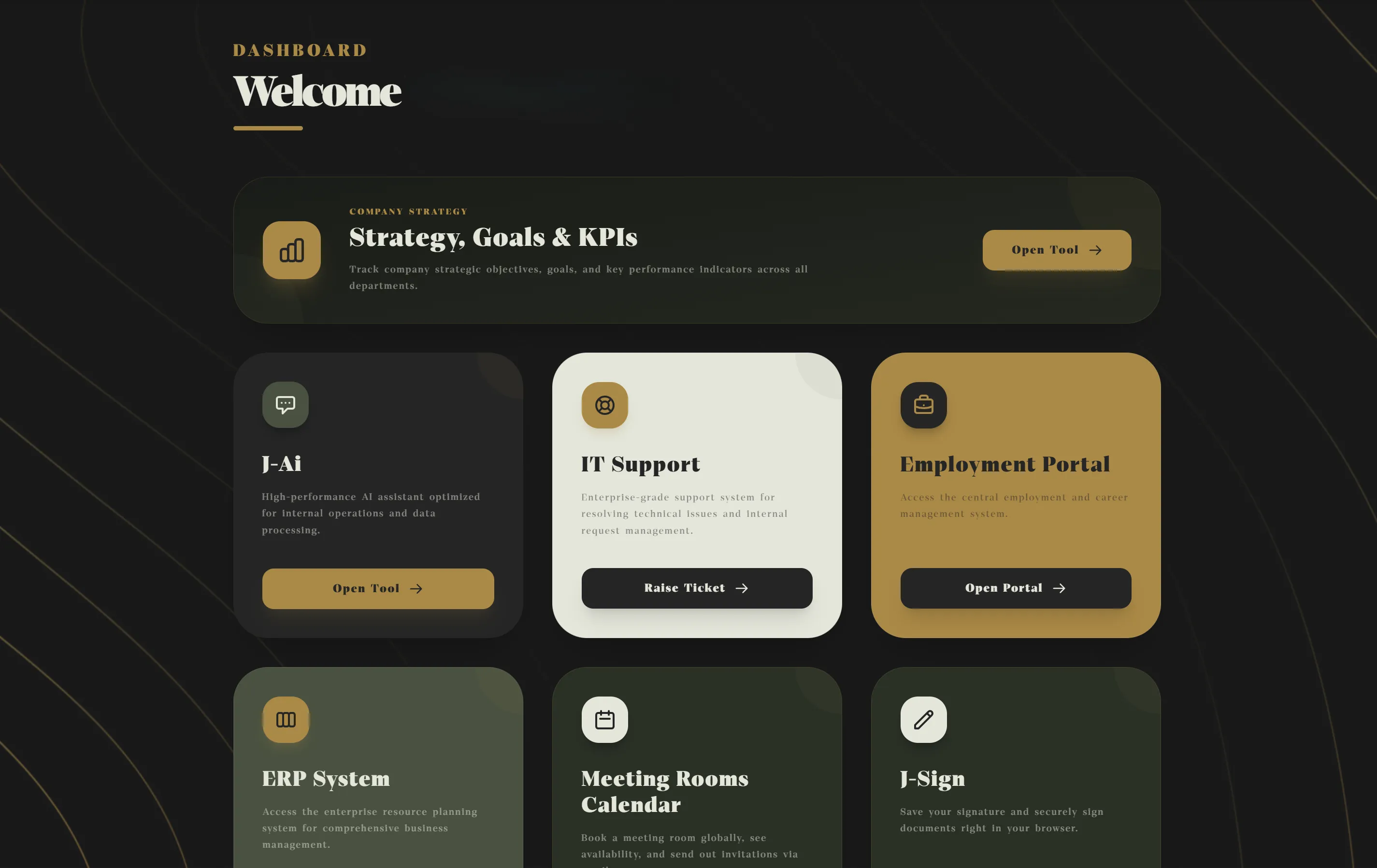
A bilingual, role-based workplace hub (bookings, goals, dashboards and an AI assistant) running on a k3s cluster.
Problem
Employees switched between separate tools for room bookings, reporting, dashboards and approvals every day.
Architecture
- Employees
- Portal (Express + EJS)
- n8n workflows
- AI · BI · Email
What I built
- Meeting-room booking with calendar view and automatic email invites.
- Strategy and goal tracking per department with automated reminders.
- An AI assistant wired to n8n workflows, plus embedded BI dashboards.
- Digital signatures, role-based feature toggles and full Arabic/English i18n.
- Containerized and deployed on k3s behind Nginx.
Outcome
- One workspace instead of many tools.
- Higher adoption of reporting by putting it where people already work.
- Scalable base for further internal services.
Stack
- Node.js
- Express
- EJS
- MariaDB
- Docker
- Kubernetes (k3s)
- Nginx
- n8n
05 Self-hosting · Security · Solo
Enterprise Email Archiving
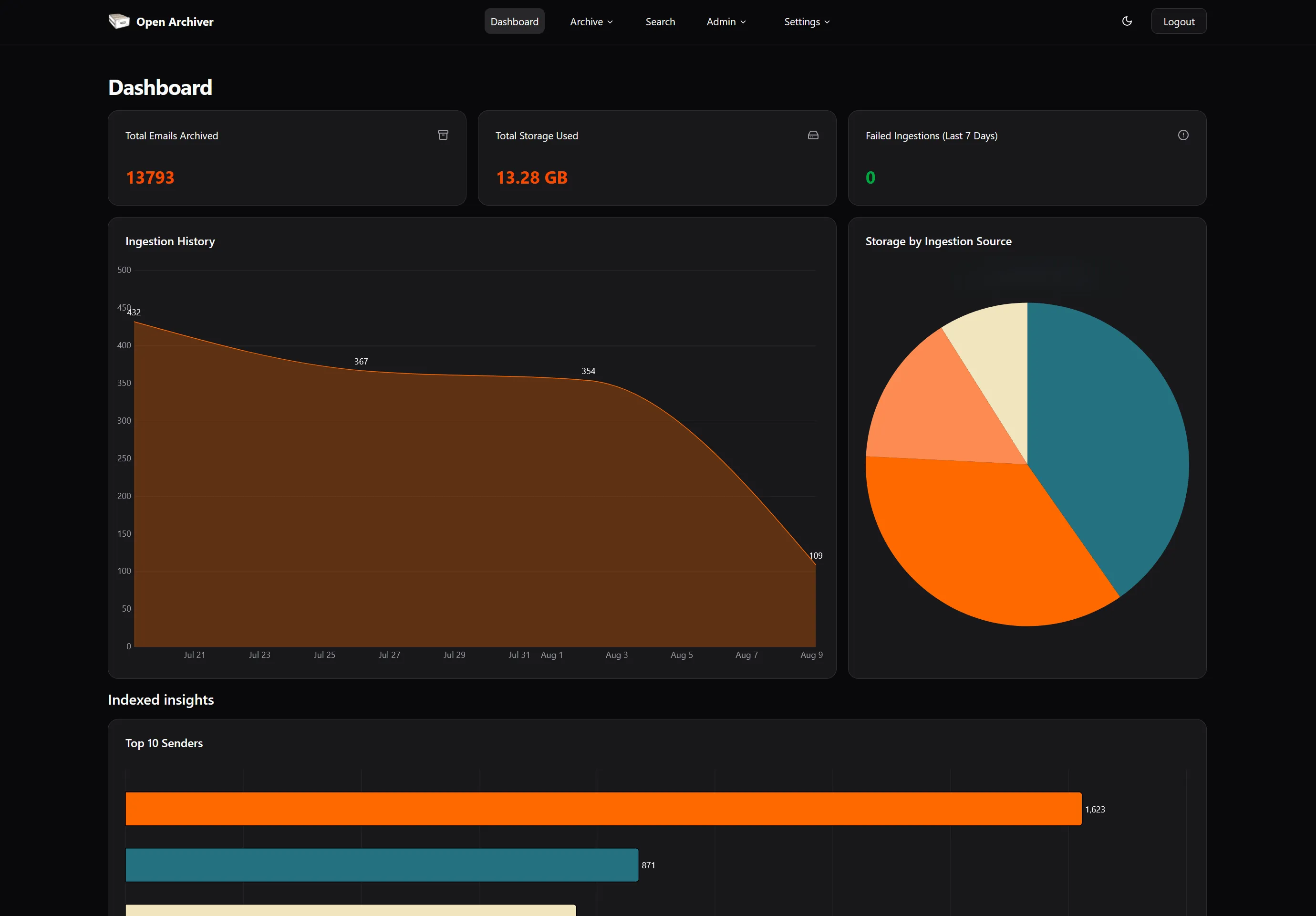
Productionized Open Archiver: encrypted, searchable email retention with a custom per-employee privacy model.
Problem
Email history depended entirely on the mail provider: mailbox limits, weak search and no protection from deletion.
Architecture
- Mail server
- IMAP ingestion
- Index · Queue · Tika
- Encrypted archive
- Web portal
What I built
- Custom “Personal Archive” role: employees can only search emails they took part in.
- Auto-provisioned roles (admins, users, read-only auditors) at deploy time.
- Ingestion tuned for long-term retention of older mail to relieve mailbox storage.
- Full-text indexing of PDF, Word and spreadsheet attachments.
- Memory, worker and queue tuning to stabilize large sync and indexing runs.
Outcome
- Years of mail searchable in seconds.
- Privacy isolation between users by default.
- Archive preserved independently of live mailboxes.
Stack
- Open Archiver
- Docker
- PostgreSQL
- Meilisearch
- Valkey
- Apache Tika
- SvelteKit
- Linux
06 IT Operations · Solo
IT Helpdesk & Asset Management
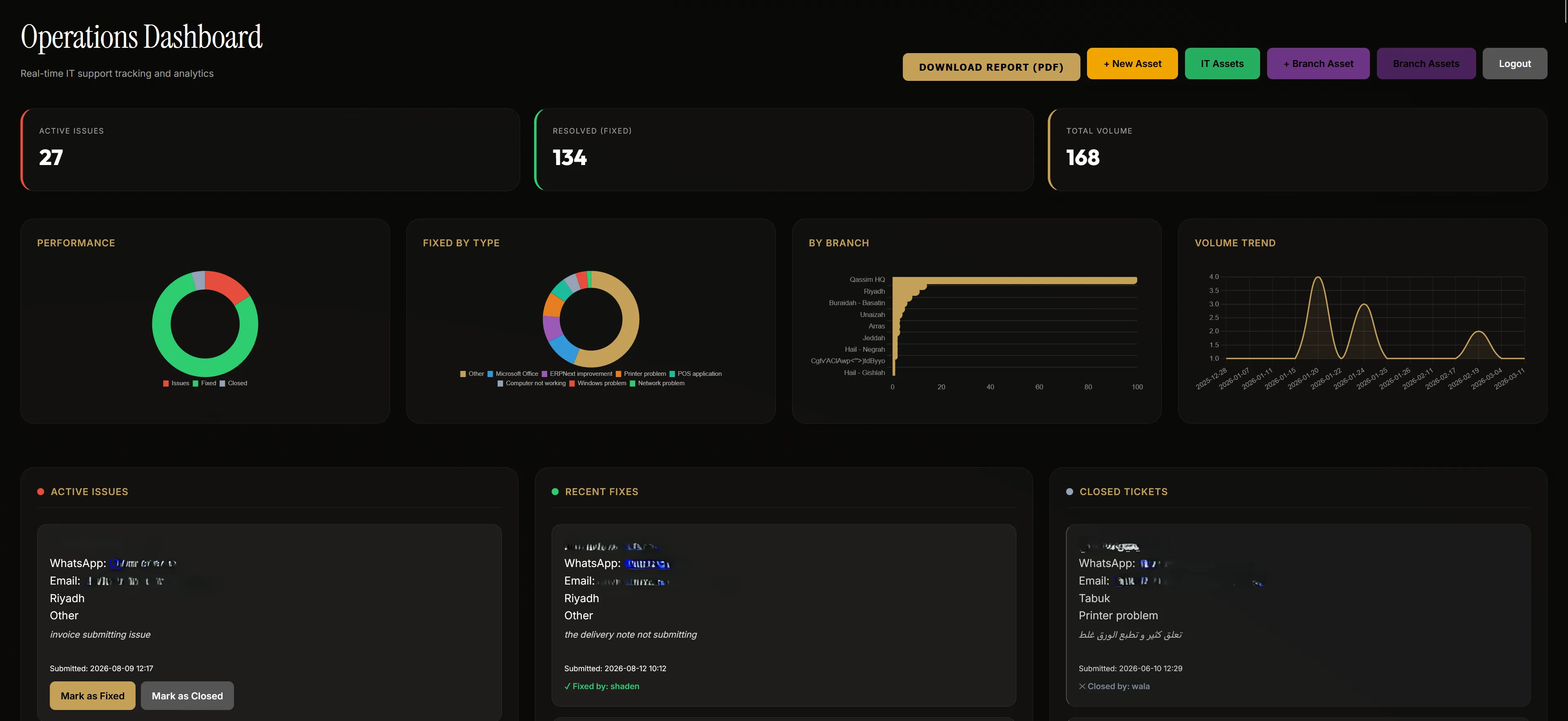
A self-hosted ticketing system with a Kanban board, email notifications and device assignment records, deployed on k3s.
Problem
Support requests arrived by email, phone and chat. Tickets got lost, priorities were unclear and nobody tracked who held which device.
Architecture
- Employee request
- Ticket DB
- Kanban board
- Open → Closed
What I built
- Bilingual (Arabic/English) employee submission portal.
- Kanban admin dashboard showing workload by status.
- Email notifications at every stage of the ticket lifecycle.
- Asset module tracking laptops, monitors and devices with digital assignment records.
- Separate app and database services on k3s; hashed passwords and env-isolated credentials.
Outcome
- Every request tracked from submission to resolution.
- Central, paperless asset history.
- Clear accountability for the IT team.
Stack
- PHP 8.2
- MySQL
- Apache
- SMTP
- Docker
- Kubernetes (k3s)
07 Web Platform · Solo
Careers Portal & Recruitment Platform
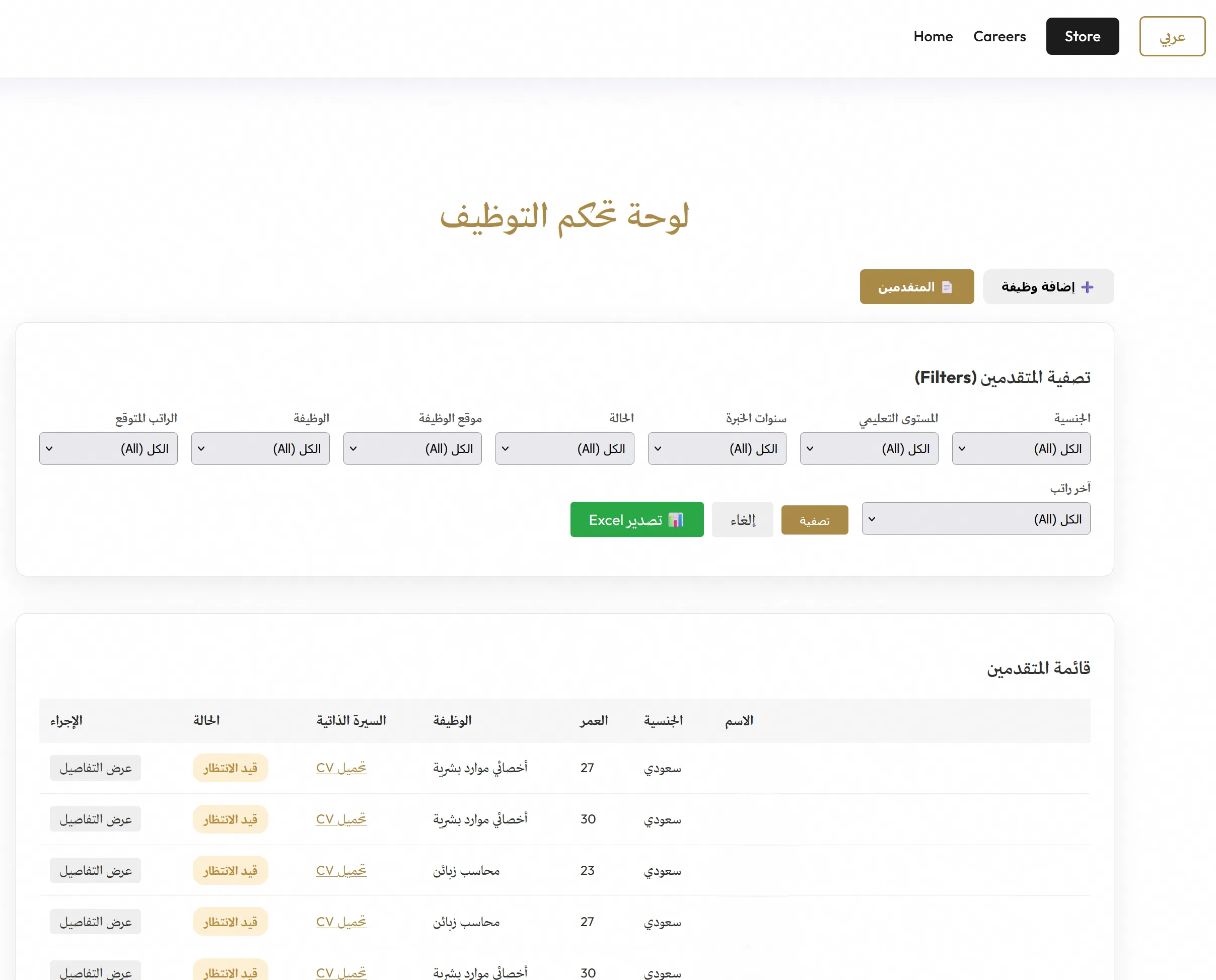
A public, multilingual job board plus an internal recruitment dashboard covering the full hiring lifecycle.
Problem
Hiring ran on emails and spreadsheets: postings, CVs and candidate status were scattered and hard to scale.
Architecture
- Job posting
- Online application
- Candidate DB
- Filter & evaluate
What I built
- Searchable public listings with detailed per-role pages.
- Structured applications with resume upload into a standardized candidate database.
- Multilingual job publishing from a single source of truth.
- Recruiter dashboard with status tracking and advanced filters.
Outcome
- Faster candidate processing with less admin work.
- Full visibility of the hiring pipeline.
Stack
- Node.js
- Express
- MariaDB
- JavaScript
- RBAC
08 JXTech product · Team
BoostSEO
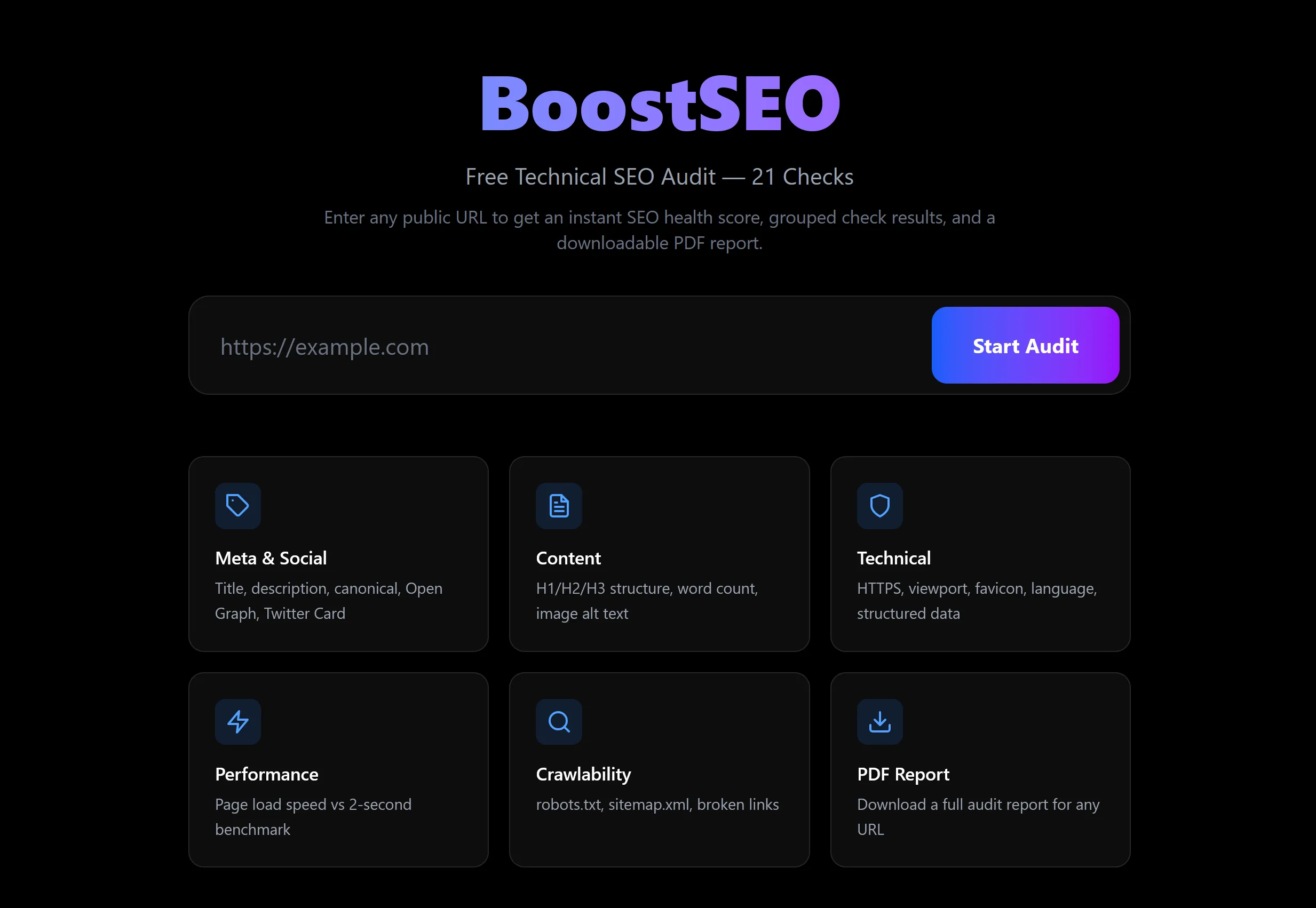
A JXTech Studio product that scores any URL out of 100 and returns actionable fixes and a PDF report. Built with Rana Ahmed.
Problem
Most SEO tools list problems without explaining how to fix them, which leaves non-technical site owners stuck.
Architecture
- URL
- FastAPI analysis
- Scoring engine
- Recommendations
- Dashboard & PDF
What I built
- Audits titles, meta, heading hierarchy, alt text, links and response time.
- Weighted scoring across categories with prioritized recommendations.
- Decoupled FastAPI backend and React frontend, deployed on the JXTech VPS.
Outcome
- Audits in seconds with a clear roadmap.
- Live, publicly available product.
Stack
- Python
- FastAPI
- BeautifulSoup
- ReportLab
- React
- Tailwind CSS